
Abstract
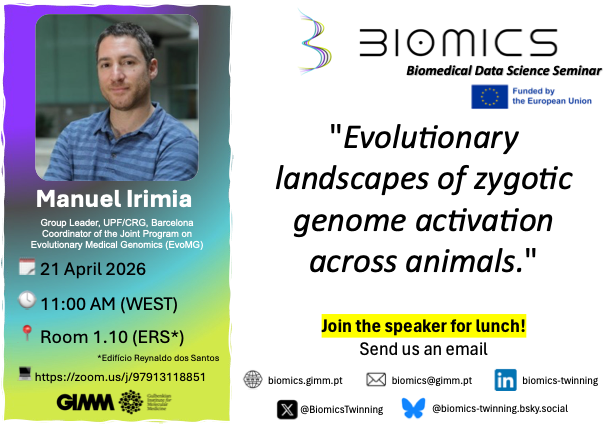
During early animal embryogenesis, control over gene expression transitions from maternally deposited products to newly transcribed zygotic RNA. This process, termed zygotic genome activation (ZGA), is universal and essential but remains poorly characterized beyond a handful of model species. Here, we generated a comprehensive transcriptomic atlas of early embryogenesis from 61 animal species, spanning 13 phyla. By applying a unified computational framework, we systematically inferred the timing of ZGA across species. We uncover a large variation in ZGA timing, but find that a proxy for nuclear-to-cytoplasmic (N/C) ratio robustly predicts the onset of genome activation. Comparative analyses of the properties of zygotic genes showed that they have distinct genomic architectures, functional enrichments, and evolutionary conservation patterns compared to maternal transcripts. Altogether, our findings suggest that ZGA is universally timed by the stoichiometry between DNA content and specific maternally deposited factors, and this activation involves a highly flexible transcriptomic program that nonetheless follows a deeply conserved molecular logic.
Biopic
Manuel Irimia obtained his PhD in 2010 at University of Barcelona investigating the origin of vertebrates at a genomic level. After two postdocs at Stanford University and University of Toronto, he started his laboratory at the Centre for Genomic Regulation (CRG) in June 2014. He has been an ICREA Research Professor since December 2018, and in October 2023 his lab moved to the MELIS department at the Universitat Pompeu Fabra, with dual affiliation with the CRG. Since 2024, he is the coordinator of the CRG-UPF-IBE Joint Program on Evolutionary Medical Genomics. He has recently been elected EMBO Member. His lab is interested in understanding the roles that transcriptomic diversification, especially through alternative splicing and gene duplication, plays on vertebrate development, evolution and disease.